

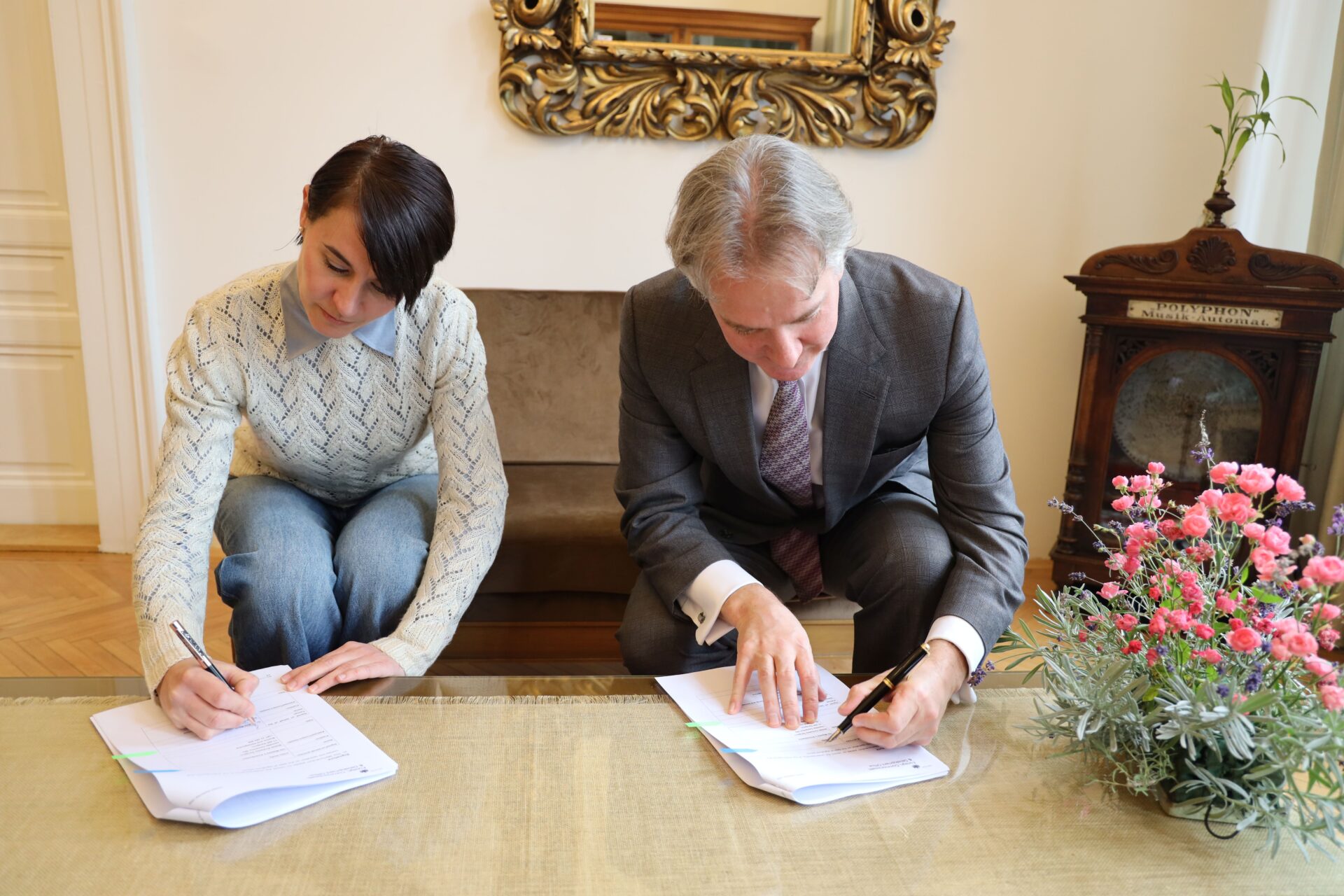
Formalized Cooperation Between the National Museum of Bosnia and Herzegovina and the British Embassy Sarajevo
With the signing of a Memorandum of Understanding, Acting Director of the National Museum of BiH, Dr. Ana Marić, and British Ambassador to BiH, Julian Reilly, formalised a new project partnership.
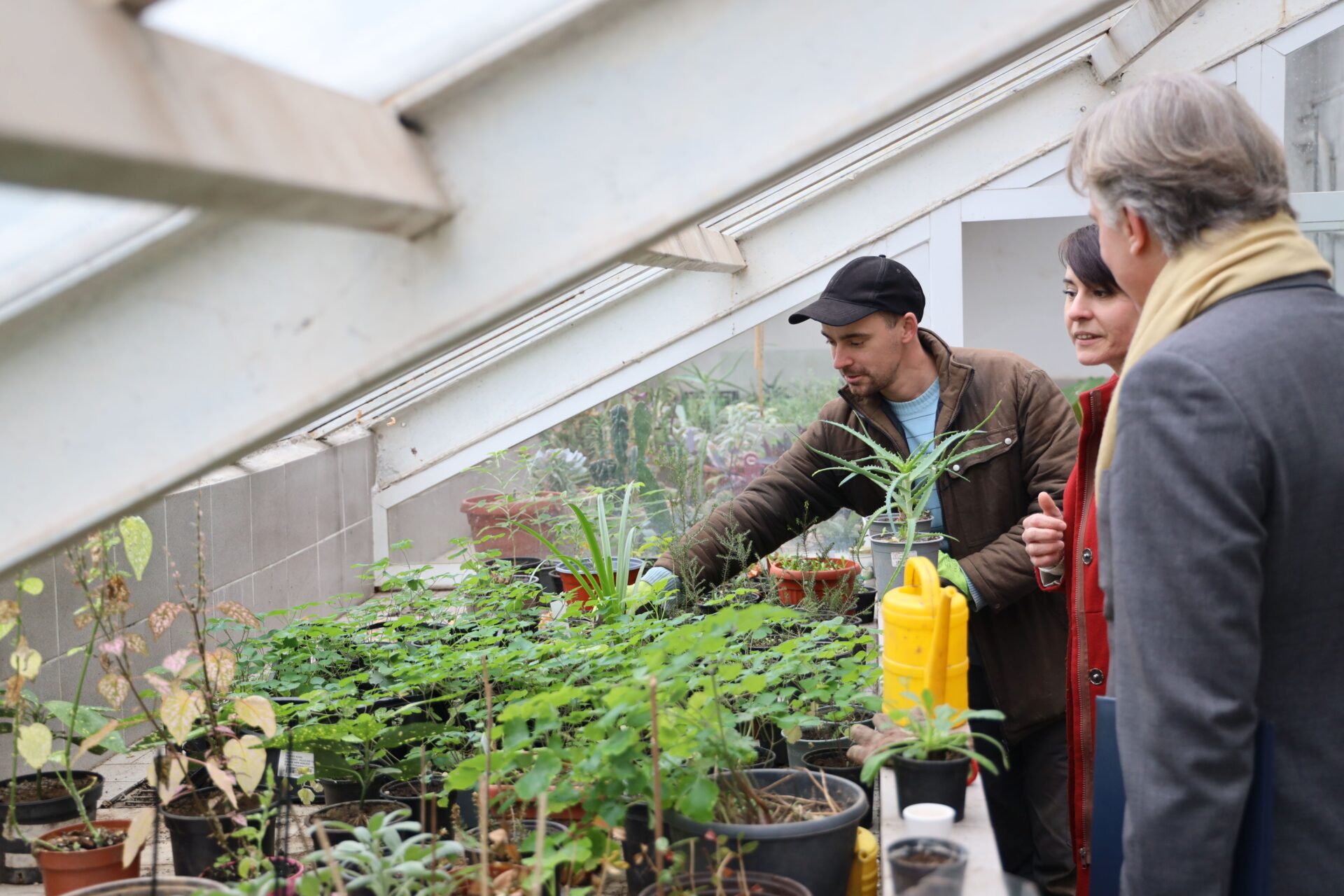
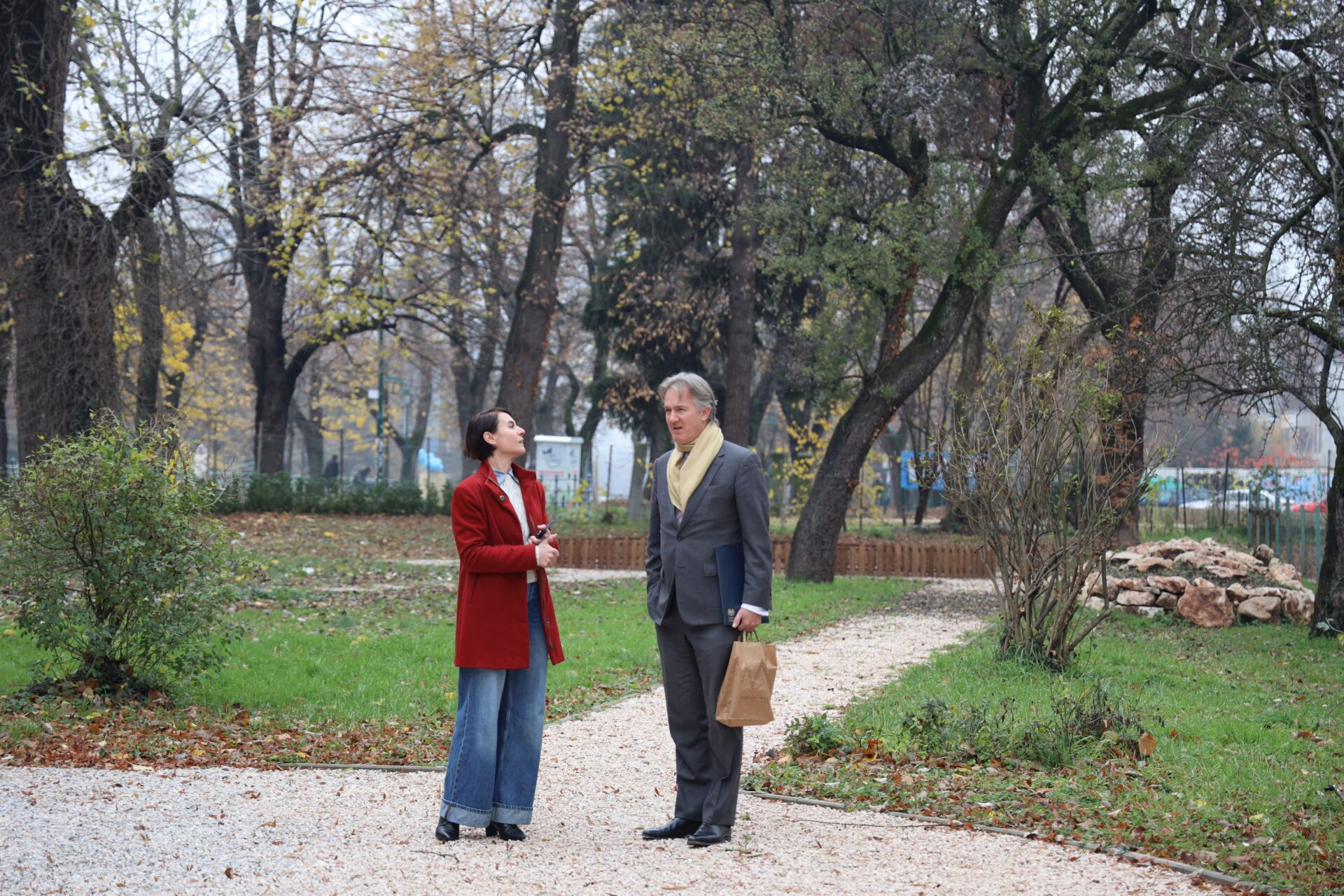
The project is designed to enhance the sustainability of this key cultural institution by improving its offer and community engagement, strengthening partnerships with some of the leading cultural institutions in the United Kingdom, and retaining and strengthening its capacities and expertise.
Ambassador Reilly emphasized his satisfaction that the Embassy has the opportunity to cooperate with the National Museum of Bosnia and Herzegovina, one of the country’s most important cultural institutions.
“Cultural institutions safeguard and develop cultural heritage, provide citizens with access to art and education, foster creativity, dialogue, and social integration, and contribute to preserving identity and promoting democratic values.
It is a privilege to be able to support cooperation between the National Museum of BiH and relevant institutions in the United Kingdom, including Kew Gardens and the Royal Botanic Garden Edinburgh in Logan, and to contribute to strengthening the capacities and offerings of this museum.
Unfortunately, it remains the case that state cultural institutions in BiH, instead of focusing exclusively on modernization, expanding programs, and attracting more visitors, must constantly fight for survival. Such institutions should be protected by the state. While international support can significantly help improve their services for the citizens of this country, ultimately the preservation of BiH’s cultural heritage is BiH’s responsibility,” said Ambassador Reilly.
Acting Director of the National Museum of BiH, Dr. Ana Marić, said:
“The only botanical garden in Bosnia and Herzegovina is located right here with us, and over the past few years we have dedicated ourselves to its thorough restoration. The project with the British Embassy Sarajevo will help us take it a step further, especially in terms of connecting with similar relevant institutions, which will ultimately strengthen the Museum’s position in a broader context.
In this way, the National Museum of Bosnia and Herzegovina continues its long-standing cooperation with various embassies in our country, primarily in the field of restoration. However, as proud as we are of the activities carried out in this way, we are equally saddened by the fact that most of the funds have actually come from foreign rather than domestic sources.”